Professional Waste Metrics: How Tipping Pots Increase Functional Performance


Introduction:
Tipping containers have grown to be a cornerstone in contemporary professional and commercial spend management. Developed to take care of heavy loads successfully, these bins are engineered to boost detailed workflows while minimizing work and protection risks. In this short article, we explore tipping container (tippcontainer), their aspects, advantages, and mathematical relevance in industries worldwide.
What is a Tipping Container ?
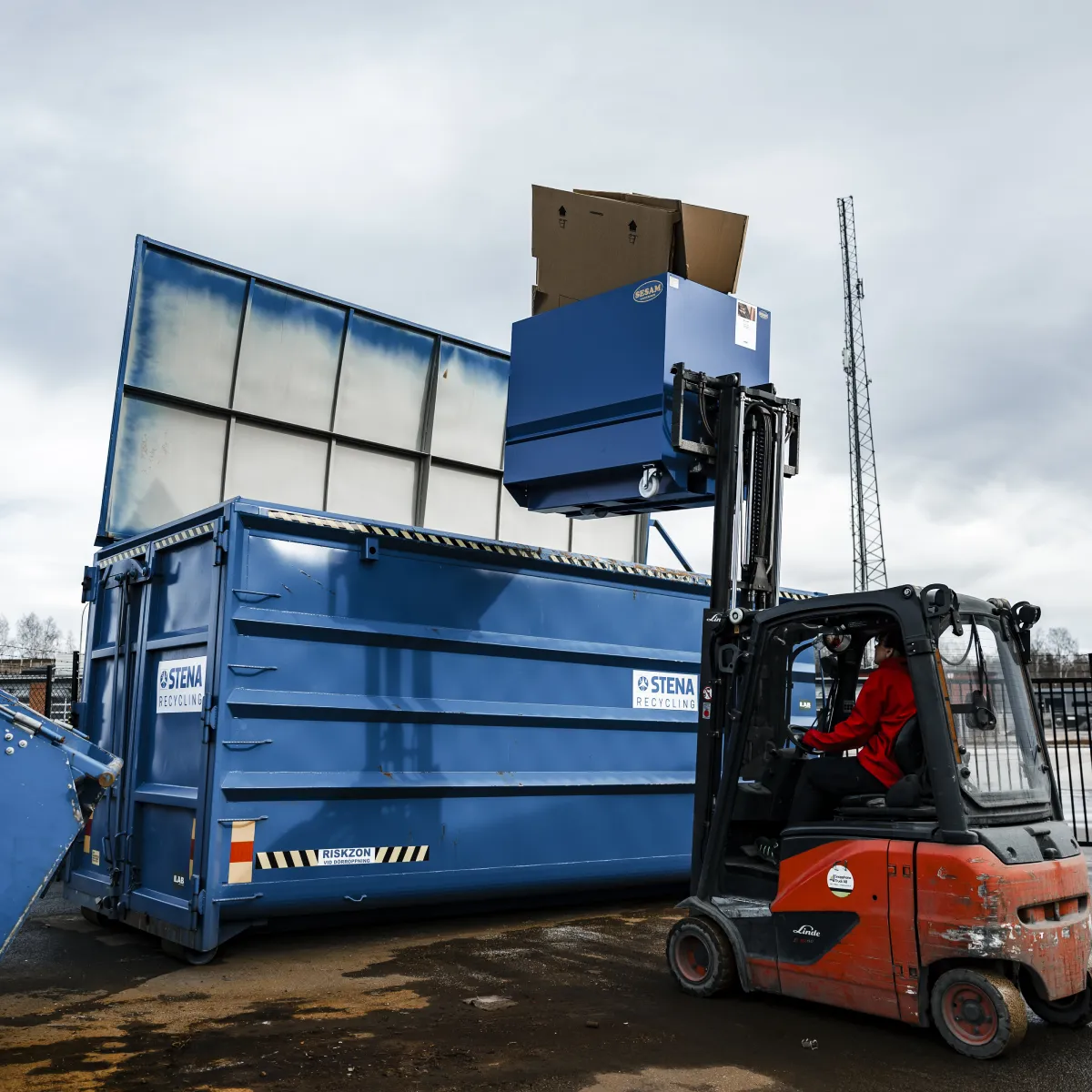
A tipping container is really a especially designed container able to be removed, tilted, and emptied mechanically, typically using a forklift, crane, or dedicated tipping mechanism. Unlike old-fashioned bins, these containers let operators to release materials without primary contact, improving equally speed and safety.
How Do Tipping Pots Perform?
Tipping bins perform on a pivoting or tilting mechanism. Many designs function an effective frame and securing process that secures the container all through transport. Once the tipping action is triggered—either manually or via hydraulic or technical assistance—the container tilts, allowing articles to pour out in a controlled manner. The design ensures small spillage, which makes it perfect for granular resources, scrap metal, or majority waste.
What Will be the Popular Uses of Tipping Pots?
Industries generally use tipping containers for:
Production features: Effective removal of scrap, offcuts, or organic materials.
Construction internet sites: Fast managing of dirt, mud, or aggregates.
Spend administration solutions: Facilitating series, transportation, and disposal of industrial or municipal waste.
Food processing: Safe move of bulk foodstuffs in hygienic, industrial environments.
Why Are Tipping Pots Preferred Over Traditional Bins?
Several facets lead for their rising ownership:
Performance: Reduces time spent clearing products compared to manual handling.
Security: Reduces the risk of harm by lowering handbook lifting.
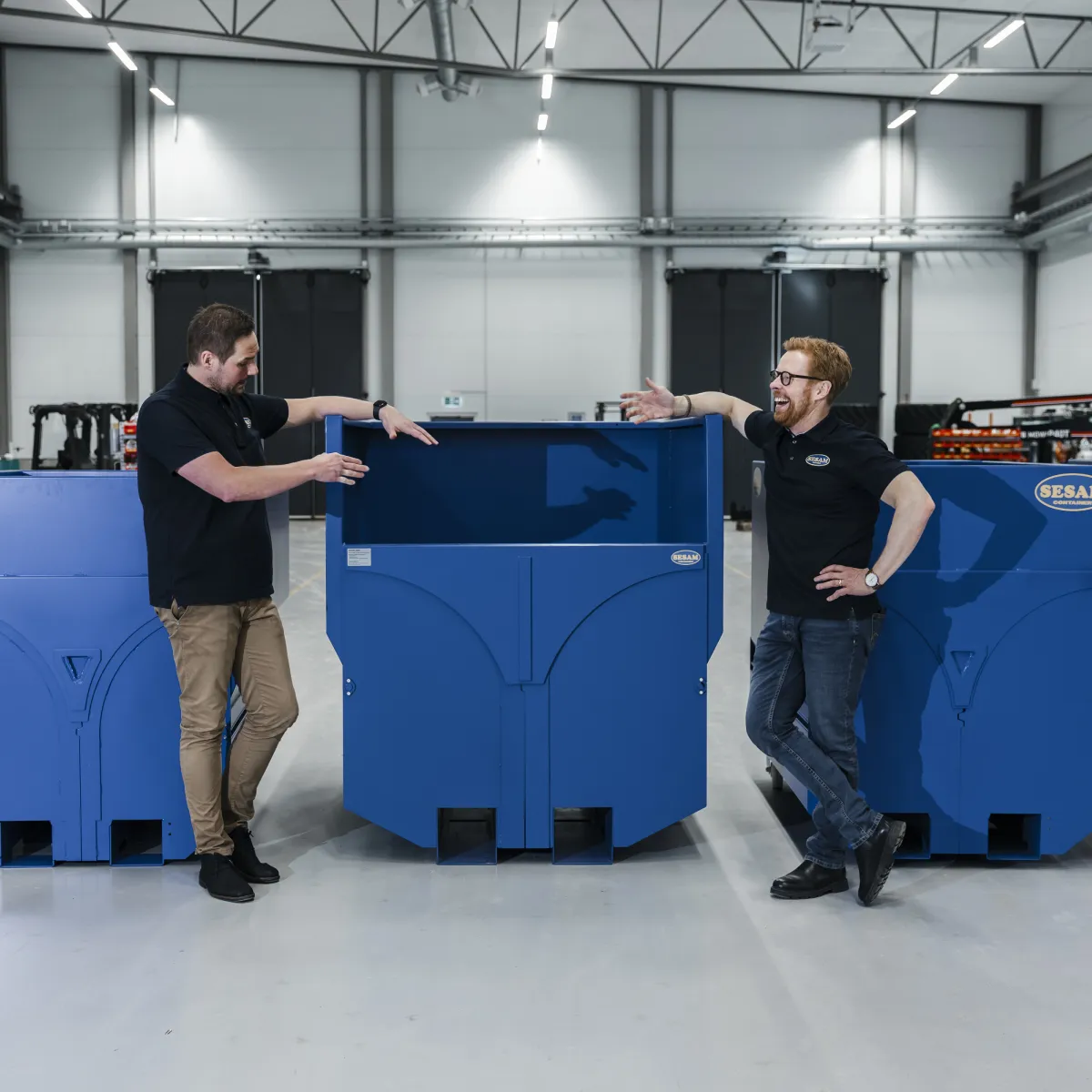
Toughness: Made out of heavy-duty steel or industrial-grade plastic, these pots withstand repeated heavy use.
Flexibility: Appropriate for forklifts, hoists, or particular tipping equipment, providing mobility across operations.
Mathematical Insight:
In accordance with recent industrial reports, features that undertake tipping bins record a 30–45% improvement in spend handling efficiency. More over, protection situations linked to handbook lifting decrease significantly, displaying their position in workplace protection protocols.
Conclusion:
Tipping pots are a vital advantage for industries that require effective, safe, and adaptable waste or substance managing solutions. Their executive ensures small job, large durability, and working performance, creating them a chosen choice across manufacturing, construction, and commercial sectors.